
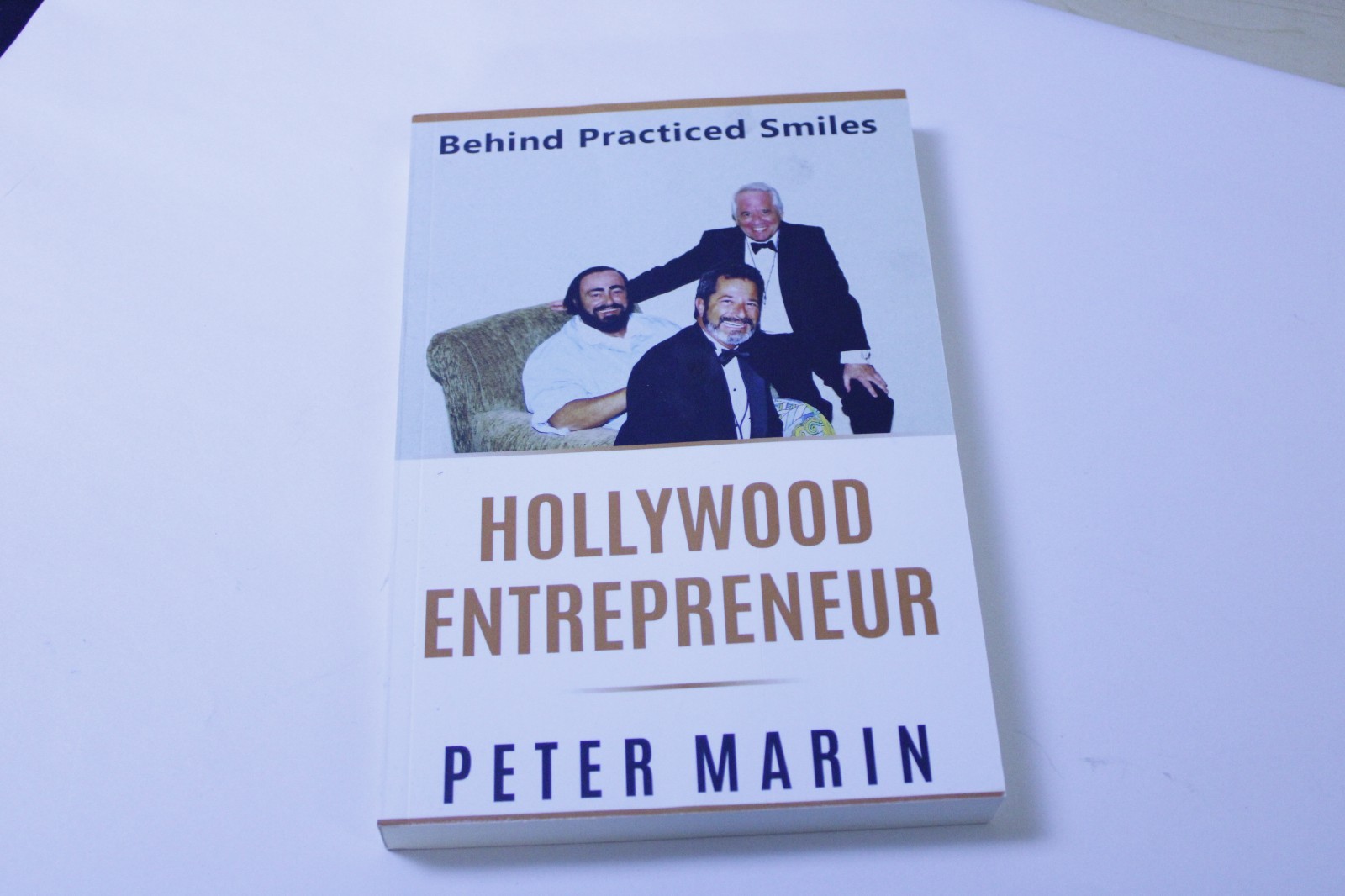

Behind Practiced Smiles is the kind of novel that sneaks up on you. It opens quietly, with ordinary people going about ordinary lives, and then slowly pulls back the curtain on the pain they carry behind their everyday faces. Peter Marin’s novel is a character-driven study of what people hide — and what happens when the mask starts to slip.
About the author
Peter Marin is a writer known for work that centers on human connection, empathy, and the quiet struggles of ordinary people. His fiction tends to favor interior lives over plot mechanics — the kind of storytelling where the real action happens in what characters feel but never say. Behind Practiced Smiles fits squarely in that tradition: a novel less concerned with what happens than with why it matters to the people it happens to.
The setup
The novel follows a cast of characters whose lives intersect in ways none of them fully understand at first. Each of them wears a practiced smile — the polite, functional face we present to coworkers, neighbors, and even family. Beneath those smiles are the things they are not saying: grief, regret, loneliness, and the small betrayals that accumulate over a lifetime. As their stories braid together, the novel asks a deceptively simple question: how well do we ever really know the people around us?
The characters
Marin builds his cast with care. The central figures are not heroes or villains — they are recognizable people making understandable mistakes. The strength of the book is in how their inner worlds are rendered: the way a character deflects a question, the pause before an answer, the smile that does not reach the eyes. These are the details that make the novel feel true.
Themes
Hidden pain. The title is the thesis. The book is about the gap between how we present ourselves and what we actually feel.
Connection. The characters are isolated in different ways, and the novel is quietly hopeful about the possibility of genuine connection breaking through the practiced performances.
Second chances. Several characters are given the chance to confront the thing they have been avoiding — and the book is honest about how hard that is.
Writing style
Marin writes with restraint. The prose is clean and observational, favoring implication over explanation. There are no melodramatic reveals — the emotional payoff comes from accumulation, from watching characters inch toward honesty. Readers who prefer propulsive plots may find the pace deliberate, but readers who value character depth will find themselves rewarded.
What works
- The characterization. These are people you recognize.
- The emotional honesty. The book does not flinch from uncomfortable truths.
- The quiet hopefulness. It is not a cynical book.
What does not work
- The pacing is slow by thriller standards — this is a novel of feeling, not action.
- Readers who want a clear, driving plot may find the structure loose.
Who should read it
Read it if you like literary fiction, character studies, or novels about family and hidden grief. Read it if you enjoyed Olive Kitteridge or the quiet realism of Kent Haruf. It is a book for readers who want to feel something, not just be entertained.
Verdict
4 out of 5. A thoughtful, humane novel about the distance between the faces we show and the lives we live. It will not keep you up at night with suspense — it will keep you up thinking about the people in your own life, and the practiced smiles you have seen and worn yourself.
Frequently asked questions
What is Behind Practiced Smiles about?
It is a character-driven novel about ordinary people hiding grief, regret, and loneliness behind the polite faces they present to the world — and what happens when those masks begin to slip.
Who wrote Behind Practiced Smiles?
Peter Marin, a writer known for fiction centered on human connection and the quiet struggles of everyday life.
Is Behind Practiced Smiles part of a series?
No, it is a standalone novel.
Is Behind Practiced Smiles based on a true story?
No, it is a work of fiction — though its characters and situations will feel familiar to most readers.
Leave a Reply
You must be logged in to post a comment.